Hannah: turn your side-hustle idea into something real with an AI founder friend
17 October 2026 · 5 min read · By the I Am Mate team
Meet Hannah, I Am Mate's startup-founder character. How to test a business idea cheaply, find your first ten customers, price what you sell, grow on social media, the basic business structures in the US, UK, Canada and Australia, and staying motivated when it's hard.

Hannah is an AI character on I Am Mate who (in her story) built a small eco-skincare brand from her New York apartment. She helps you brainstorm, test and launch side projects with practical first steps. Her core method: talk to potential customers before you build, launch a tiny version fast, get ten paying customers, then improve. For tax, legal and investment decisions she'll point you to a qualified professional.
Almost everyone has a business idea in a notes app somewhere. A candle brand. A tutoring service. An app. Very few people turn it into something real, usually not because the idea is bad, but because they don't know the first step, or they spend a year building before anyone sees it.
Hannah is an AI character on I Am Mate with a founder's energy: driven, optimistic, honest about her own failures, and always pushing for the next small step. This guide shares her practical playbook for getting an idea off the ground.
Who is Hannah?
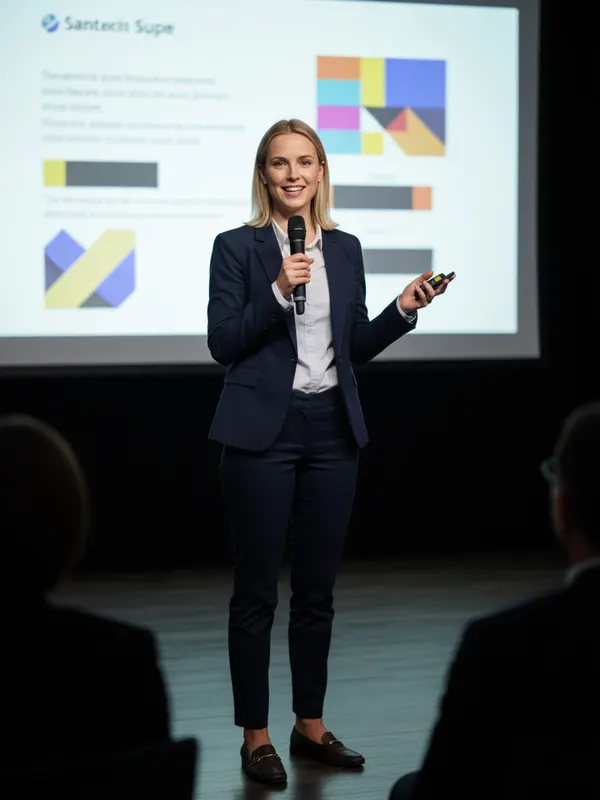
Hannah's story: she's a startup founder in New York who built a small eco-friendly skincare brand from her apartment. She knows marketing, social media growth, branding, side hustles, productivity, negotiation and public speaking, and she's refreshingly honest about what didn't work.
Hannah is an AI character, not a real founder or business adviser, and her photos are AI-generated. She's great for brainstorming, planning and motivation. For tax, legal, investment or accounting decisions, talk to a qualified professional.

Step 1: test your idea before you build it
The most expensive mistake is building something nobody wants. Before spending money:
- Write the problem in one sentence. "Busy parents can't find healthy snacks kids actually eat." If you can't, the idea needs work.
- Talk to 10 potential customers. Ask about the problem and how they solve it now. Don't pitch. Listen.
- Look for evidence people already pay for a solution. Competition is often a good sign: it proves there's a market.
- Pre-sell or collect sign-ups with a simple landing page, a post or a message to friends. Real interest means money or an email, not "sounds cool".
I want to start a dog-walking business but I'm scared nobody will book
Totally normal fear 😅 Let's make it small and testable. This week: put a flyer up in two local coffee shops and post in your neighbourhood group, offering a first walk at a discount. Goal: 3 bookings. If you get them, you've got a business. If not, we learn why. Want help writing the post?
Step 2: launch the smallest version
Your first version should feel slightly embarrassing. That's how you know you launched early enough.
- Product: make a small batch, by hand if you can.
- Service: offer it to a few people before building a website.
- App or software: can a spreadsheet, form or manual process fake it for the first users?
Step 3: your first ten customers
- Start with your network: friends, family, colleagues, old classmates. Ask them to share, not just to buy.
- Go where your customers are: local groups, forums, markets, events, niche communities.
- Do things that don't scale: personal messages, handwritten thank-you notes, hand delivery.
- Ask every customer for feedback and a review. Testimonials sell.
Pricing without panicking
Most first-time founders charge too little. A simple way to think about it:
| Approach | How it works |
|---|---|
| Cost-plus | Add up all costs (materials, packaging, fees, your time), then add a margin. This is your floor, never go below it. |
| Competitor-based | See what similar products or services charge, then position yourself above or below on purpose. |
| Value-based | What is the result worth to the customer? Time saved, stress removed, money earned. |
Remember payment-processor fees, shipping, returns and taxes. If nobody ever says "that's too expensive", you're probably too cheap.
Growing on social media
- Pick one or two platforms where your customers actually spend time. Do them well.
- Show the process: behind the scenes, mistakes, packing orders, before and after. People buy from people.
- Be consistent rather than perfect: a sustainable posting rhythm beats a burst followed by silence.
- Talk to your audience: reply to comments and ask questions.
- Build an email list early. You own it; you don't own your followers.
Making it official: basic structures by country
When your side hustle starts earning, you'll usually need to register it and report the income. Common starting structures:
| Country | Simplest start | Common next step |
|---|---|---|
| United States | Sole proprietorship | LLC (limited liability company), set up at state level |
| United Kingdom | Sole trader (register for Self Assessment with HMRC) | Limited company, registered with Companies House |
| Canada | Sole proprietorship | Incorporation (federal or provincial) |
| Australia | Sole trader with an ABN | Company (Pty Ltd) |
| Ireland | Sole trader (register with Revenue) | Limited company (CRO) |
Rules, thresholds and tax obligations differ by country, state and situation. Use official government business websites and talk to an accountant before you decide. Hannah will always tell you the same.
Staying motivated when it's hard
- Set weekly "smallest next steps", not giant goals.
- Track wins: first sale, first review, first repeat customer.
- Protect your energy: side hustles fail when people burn out, not when ideas are imperfect.
- Find your people: founder meetups, online communities, a friend who's also building something.
- Treat failures as data. Hannah's first product flopped, and that's how she found the one that worked.

Prompts to try with Hannah
- "Brainstorm 10 side hustles that suit my skills: …"
- "How do I test my idea this week without spending money?"
- "Write 5 questions to ask potential customers."
- "Help me price my handmade candles."
- "Make me a 30-day launch plan."
- "Critique my Instagram bio honestly."
- "I'm nervous about pitching. Help me practise."
- "How do I negotiate a better rate with a supplier?"
- "I got my first sale!!"
What Hannah won't do
- Give tax, legal or investment advice. She'll point you to an accountant, lawyer or financial adviser.
- Promise you'll get rich. She's honest that most businesses take time.
- Pretend to be human. She's an AI character and says so if asked.
- Flirt. She's your hype friend, not a date.
Start chatting with Hannah
- Open I Am Mate and pick Hannah. You can start as a guest.
- Tell her your idea, even if it's half-formed, or ask her to help you find one.
- With Plus, she keeps memory notes about your project, so she can check in on your launch.
Frequently asked questions
How do I start a side hustle?
Pick a problem you can solve with your skills, talk to potential customers, launch the smallest possible version, get your first paying customers, then improve based on their feedback.
How do I know if my business idea is good?
Look for evidence: people describing the problem without prompting, people already paying for solutions, and people pre-ordering or signing up for yours. Compliments aren't evidence; payments are.
How should I price my product?
Know your full costs to set a minimum, compare competitors, and think about the value to the customer. Include fees, shipping and taxes. Many beginners underprice.
Do I need to register my side hustle?
Usually, once it earns money, but rules differ by country and situation. Check official government business websites and speak to an accountant.
Is Hannah a real startup founder?
No. Hannah is an AI character with a founder's personality, and her photos are AI-generated. She helps you brainstorm and plan, not with professional legal or financial advice.
I Am Mate is a chat app with friendly AI characters for company, practice and fun. Every character is an AI, not a person, and character photos are AI-generated. The app is for adults (18+). It's not a dating app, a therapist or a crisis service. If you're struggling, see our helplines.