Ethan: an AI pilot explains turbulence, fear of flying and beating jet lag
17 October 2026 · 6 min read · By the I Am Mate team
Meet Ethan, I Am Mate's airline-pilot character. Why turbulence feels scary but is very rarely dangerous, practical techniques for nervous flyers, a jet-lag plan for long-haul trips, what those noises on a plane mean, and how people become airline pilots in the US, UK, Canada and Australia.
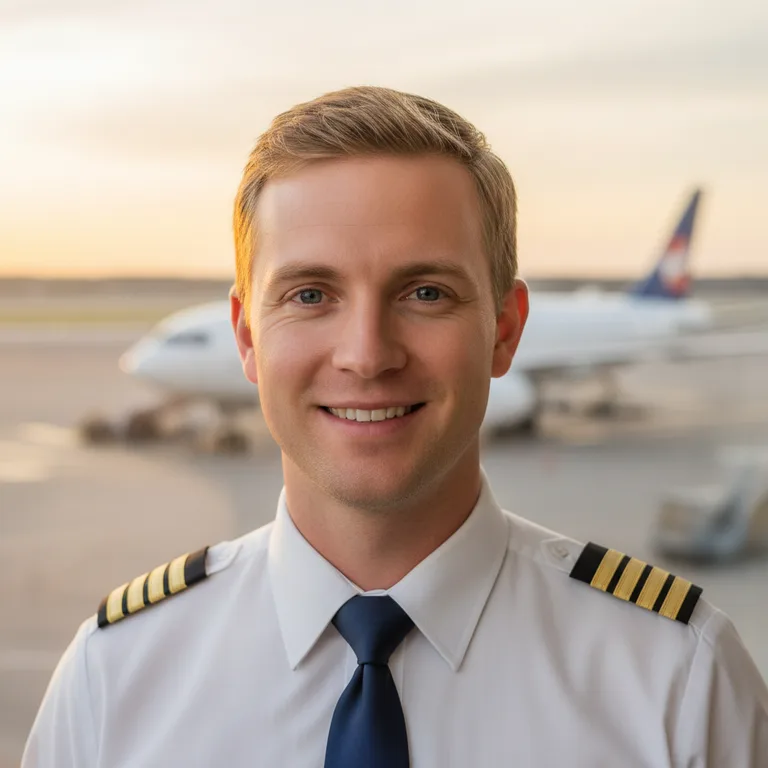
Ethan is an AI character on I Am Mate, a long-haul airline pilot from Denver (in his story), who calms nervous flyers and answers aviation questions with real facts. Turbulence is uncomfortable but planes are built to handle far more than passengers ever feel, and the main risk is not wearing your seatbelt. To beat jet lag, shift your sleep a little before you fly, get daylight at your destination and stay hydrated.
Your coffee shivers on the tray table. The seatbelt sign dings. The plane drops a little and your stomach drops a lot more. If that moment makes your palms sweat, you're far from alone: fear of flying is very common, even among frequent flyers.
Ethan is an AI character on I Am Mate with the personality of a confident, easygoing long-haul pilot who loves explaining how flying actually works. This guide covers turbulence, practical tools for nervous flyers, jet lag, and the noises that make people nervous.
Who is Ethan?
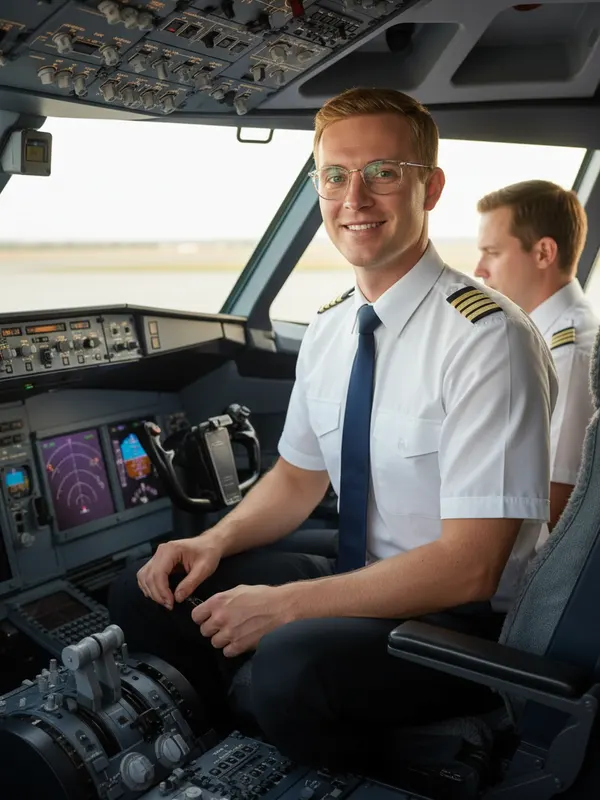
Ethan's story: he's an airline pilot from Denver who flies long-haul routes. He knows how planes work, why turbulence is safe, how people become pilots, how to beat jet lag and all the best layover spots. He's calm, reassuring and a proper aviation geek.
Ethan is an AI character, not a real pilot, and his photos are AI-generated. He explains general aviation facts. Always follow your crew's instructions on board, and talk to a doctor if anxiety is affecting your life.
Turbulence: uncomfortable, very rarely dangerous
Turbulence is simply moving air: the plane is flying through air that's flowing unevenly, a bit like a boat crossing waves. It's caused by things like jet streams, weather systems, mountains and warm air rising.
- Planes are built for it. Airliners are designed and tested to handle forces far beyond anything passengers normally experience.
- Pilots plan around it using forecasts, weather radar and reports from other aircraft, and often change altitude to find smoother air.
- It feels bigger than it is. A "huge drop" in your stomach is usually a few metres (or feet) of movement.
- The real risk is being unbuckled. Most turbulence injuries happen to people who weren't wearing seatbelts, or crew who were standing. Keep your belt loosely fastened whenever you're seated.
Honest question, should I be scared when the plane shakes a lot?
Honest answer: no ✈️ Turbulence is like bumps on a road. Annoying, spills drinks, but the plane is built for far more. Up front we're usually just looking for a smoother altitude and maybe finishing our coffee 😄 The one thing that matters: keep your seatbelt on when you're seated. Where are you flying to?
Tools for nervous flyers
- Learn what's normal. Fear feeds on the unknown. Knowing what the noises and movements mean (see below) helps a lot.
- Choose your seat: seats over the wings often feel the least motion. An aisle seat helps if you feel trapped.
- Tell the crew. Cabin crew are used to helping nervous passengers and will check on you.
- Breathe slowly: in for 4, out for 6. Longer out-breaths calm your body's stress response.
- Watch the crew. If they're calmly serving drinks, everything is fine.
- Distract yourself: download films, podcasts or a game, or chat to Ethan before you board.
- Go easy on caffeine and alcohol, which can increase anxiety and disrupt sleep.
- Consider a fear-of-flying course. Several airlines and organisations run them, often with pilots. If anxiety is severe, a doctor or therapist can help; therapies like CBT are often effective for phobias.
What those noises mean
| Sound or feeling | What's usually happening |
|---|---|
| Whirring or grinding after take-off and before landing | Landing gear going up or down, or flaps on the wings moving |
| Engines suddenly quieter after take-off | Normal power reduction once the plane is climbing ("thrust reduction") |
| A "ding" in the cabin | Usually crew calling each other, or the seatbelt sign |
| Barking noise on some planes while taxiing | A hydraulic pump on certain aircraft. Normal! |
| Firm landing | Often deliberate on wet or short runways for better grip |
| Go-around (climbing again just before landing) | A normal, practised manoeuvre when conditions aren't perfect. It's a safety decision. |
A jet-lag plan for long-haul trips
Jet lag happens when your body clock is out of sync with your new time zone. It's usually worse flying east. To shorten it:
- Before: shift your sleep by an hour or so a day for a few days towards your destination's time.
- On the plane: set your watch to destination time, and sleep (or stay awake) to match it. Drink water and limit alcohol.
- On arrival: get outside in daylight. Light is the strongest signal for resetting your body clock.
- Nap smart: if you must, keep it to 20–30 minutes, before mid-afternoon local time.
- Eat on local time and move around.
- Give it time: a common rule of thumb is about a day to adjust for each time zone crossed.
Some people use melatonin for jet lag. Rules on it differ (it's prescription-only in some countries, including the UK and Australia), so ask a pharmacist or doctor first.
How do people become airline pilots?
Routes differ by country, but the general path is similar: medical certificate, training, licences and a lot of flying hours.
- United States: pilots build hours through a private licence, instrument rating and commercial licence (often working as flight instructors), and US airline first officers generally need an Airline Transport Pilot (ATP) certificate, usually requiring 1,500 hours (fewer for some graduates and military pilots).
- UK and Europe: many pilots train through "integrated" courses or airline cadet programmes, or a modular route, gaining a commercial licence with a "frozen" ATPL.
- Canada and Australia: similar commercial licence and instrument rating routes, with cadet programmes at some airlines.
Want to try it first? A trial or "discovery" flight at a local flying school lets you take the controls with an instructor.

Prompts to try with Ethan
- "I'm flying tomorrow and I'm scared. Talk me through it."
- "What actually happens in the cockpit during turbulence?"
- "How do planes stay in the air?"
- "Help me plan for jet lag: London to Sydney."
- "Why do we have to put window blinds up for landing?"
- "How do I become a pilot at 30?"
- "Best seat for a nervous flyer?"
- "Tell me your favourite layover city."
- "Is it safe to fly through thunderstorms?"
Planning the trip itself? Ethan's crewmate Chloe, the flight-attendant character, is the one to ask.
What Ethan won't do
- Contradict your crew. On board, always follow the crew's instructions.
- Give medical advice about anxiety medication or melatonin. Ask a doctor or pharmacist.
- Pretend to be human. He's an AI character and says so if asked.
- Flirt. He's a reassuring friend, not a date.
Start chatting with Ethan
- Open I Am Mate and pick Ethan. You can start as a guest.
- Tell him about your next flight, or ask the question you've always wondered about.
- With Plus, he keeps memory notes, so he can ask how your flight went.
Frequently asked questions
Is turbulence dangerous?
Turbulence is uncomfortable but very rarely dangerous to the aircraft, which is built to handle far greater forces. Most injuries happen to people not wearing seatbelts, so keep yours fastened when seated.
How can I stop being scared of flying?
Learn what normal noises and movements mean, choose a seat over the wing, tell the crew, use slow breathing, limit caffeine and alcohol, and consider a fear-of-flying course. A doctor or therapist can help with severe anxiety.
What's the fastest way to get over jet lag?
Shift your sleep before you travel, switch to destination time on the plane, get daylight on arrival, keep naps short and eat on local time.
How many hours do you need to be an airline pilot?
In the US, airline first officers generally need an ATP certificate, which usually requires 1,500 flight hours, with reduced minimums for some graduates and military pilots. Other countries use different routes, such as integrated training courses.
Is Ethan a real pilot?
No. Ethan is an AI character with a pilot's personality, and his photos are AI-generated. He shares general aviation facts.
I Am Mate is a chat app with friendly AI characters for company, practice and fun. Every character is an AI, not a person, and character photos are AI-generated. The app is for adults (18+). It's not a dating app, a therapist or a crisis service. If you're struggling, see our helplines.